 IV Preschool

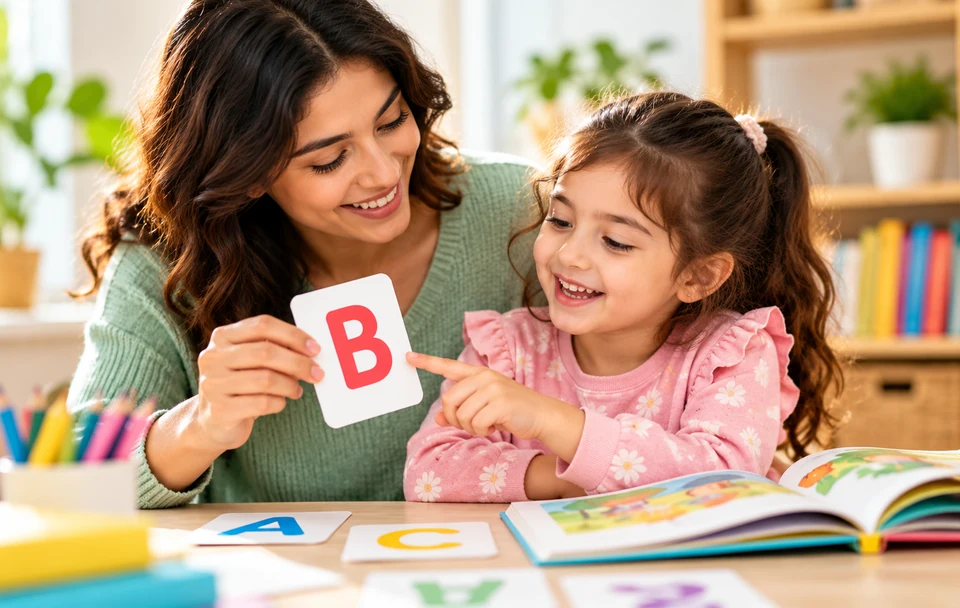
Start with listening and language
Stories, songs, rhyme and conversations help children notice sounds and build vocabulary. Read together and talk about what you see in the pictures.
Practise sounds naturally
When your child's teacher introduces a sound, look for familiar words that use it. Say the sound clearly, notice it in stories and celebrate attempts rather than rushing for perfection.
Make reading enjoyable
Invite your child to choose a book, predict what happens next and retell a favourite part. Short, regular reading moments are more valuable than turning every story into a test.
Keep activities age-appropriate
Nursery focuses on language, listening and exploration. Kindergarten begins more deliberate sound and reading practice, while Grade 1 extends these skills with guided reading and writing.